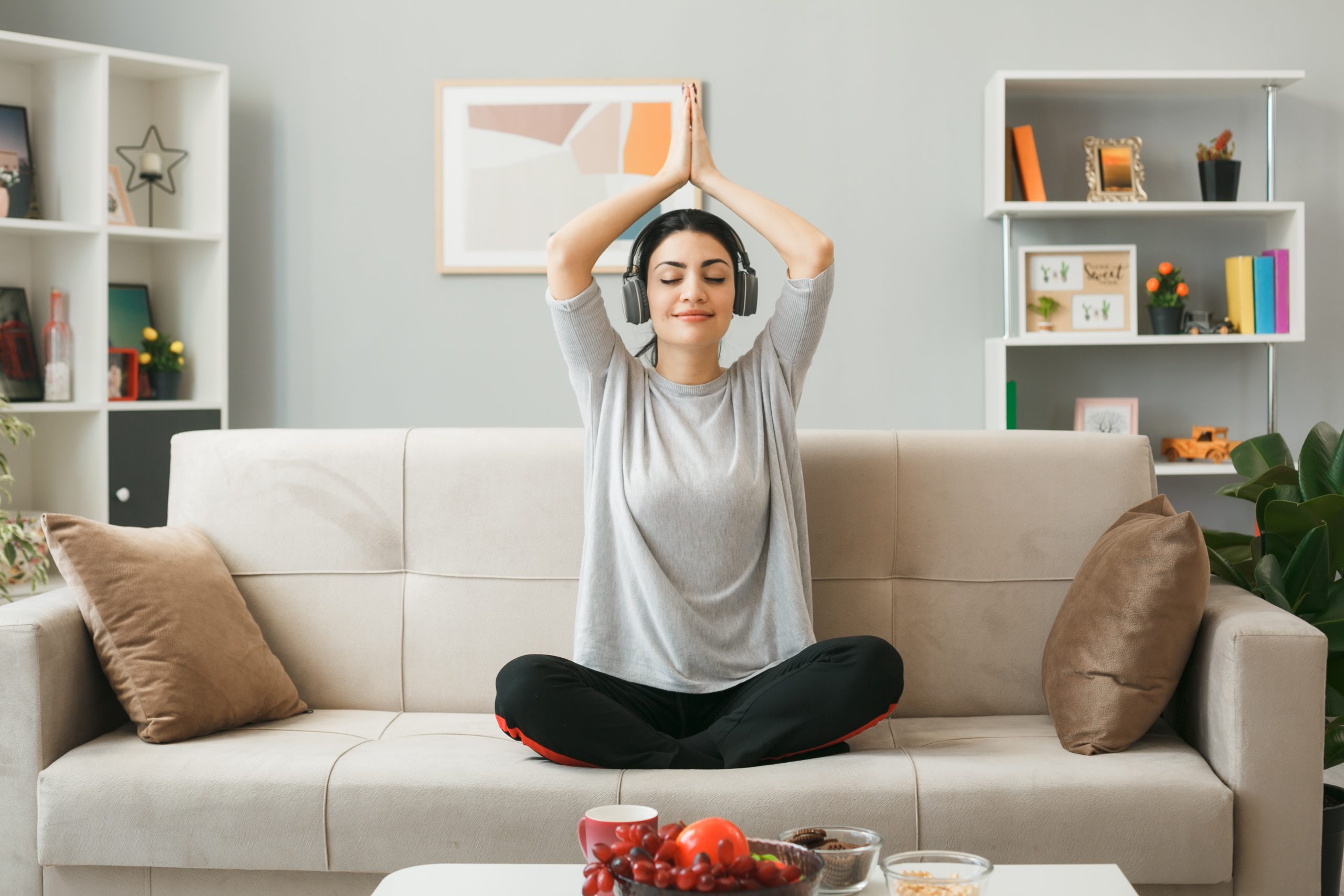
Quick answer: How to relax your mind starts with calming your body. Five simple sound-based techniques can help: humming breath, singing bowl listening, soft instrumental music, mindful listening, and gentle chanting. Each one gives your attention a steady sound to follow, which slows your breathing and eases tension. Even five minutes a day can make you feel calmer How to relax your mind.
Your shoulders are tight. Your thoughts are racing. You wake up tired, you rush through the day, and by night you feel wired but exhausted. Stress has stopped being an occasional visitor and has become a roommate How to relax your mind.
If that sounds like you, you are not alone, and you are not weak. Many people live in a state of constant pressure without noticing how heavy it has become. The good news is that your body knows how to calm down. It just needs the right signal How to relax your mind.
In this blog, we will look at why stress sticks around, how sound helps, and five easy techniques that show you how to relax your mind, even on your busiest days How to relax your mind.
Also Read About This : Why Can’t Your Mind Switch Off After Work? Exploring Sound Relaxation
Why Do You Feel Stressed All the Time?
Stress is not always about one big problem. More often, it builds from small things that never get a pause:
- Constant notifications: Messages and alerts keep your brain switching tasks all day.
- Long work hours: When work follows you home, your mind never gets a proper break.
- Little rest: Poor sleep makes everything feel harder to handle.
- Carrying too much: Family needs, money worries, and your own high standards all add weight.
When pressure stays high for weeks, your body forgets how to switch off. That is why you can feel tense even on a quiet Sunday How to relax your mind.
What Does Stress Do to Your Body?
When you sense pressure, your body goes into alert mode. Your heart beats faster, your breathing turns shallow, and your muscles tighten. This response is useful in real danger.
The trouble begins when alert mode never turns off. You may notice headaches, a stiff neck, an upset stomach, poor sleep, or a short temper. To recover, your body needs to move into rest mode, where breathing is slow and muscles soften. You cannot order yourself to calm down. But you can send gentle signals that tell your body it is safe. Sound is one of the easiest signals to use How to relax your mind.
How Does Sound Help You Relax?
Sound reaches you in two ways. Your ears carry it to your brain, and deep tones also create soft vibrations that you can feel in your chest, throat, and head How to relax your mind.
Slow, steady sounds help in three ways:
- They give your mind one thing to follow. Instead of jumping from worry to worry, your attention rests on a single calm tone.
- They slow your breathing. Long, even sounds invite you to breathe out for longer, and a long out-breath tells your body to settle.
- They bring you into the present. When you listen closely, you stop living in tomorrow’s problems.
People have used drums, bells, and chanting for thousands of years for this reason.
5 Sound-Based Relaxation Techniques
You do not need training or expensive tools. Try each one and keep the ones you enjoy.
1. Humming Breath
This is the simplest answer to how to relax your mind when you have nothing but your own voice.
- Sit comfortably and relax your jaw.
- Breathe in slowly through your nose.
- Hum softly as you breathe out, and feel the buzzing in your lips and chest.
- Repeat ten times.
Humming makes your out-breath longer, and the gentle vibration is soothing. It takes about two minutes and works at your desk or before a meeting.
2. Singing Bowl Listening
The long, fading tone of a singing bowl gives your mind a clear thing to follow.
- Strike the bowl gently, or play a quiet recording.
- Close your eyes and follow the sound until it disappears completely.
- Wait a moment in the silence, then repeat.
Do this for five minutes. If your mind wanders, simply return to the sound. That return is the practice How to relax your mind.
3. Soft Instrumental Music
Not all music relaxes. Choose slow tracks with no sudden changes and no lyrics, because words pull your mind into thinking How to relax your mind.
- Play the music at a low, comfortable volume.
- Sit or lie down and let your body feel heavy.
- Match your breathing to the slow rhythm.
Ten minutes in the evening works well as a signal that the day is over.
4. Mindful Listening
This technique needs no equipment at all.
- Sit quietly and close your eyes.
- Notice every sound around you, such as a fan, distant traffic, birds, or footsteps.
- Name each sound silently, without judging it.
- When a thought appears, return to listening.
It takes three minutes. It trains your mind to rest in the present moment, which is a key part of how to relax your mind during a stressful day.
5. Gentle Chanting
Chanting a simple sound, such as “om” or “ah,” spreads a calm vibration through your chest and head.
- Sit tall and take a deep breath in.
- Chant the sound slowly on your out-breath, keeping your voice soft and steady.
- Rest in silence for a few breaths, then repeat five to ten times.
You do not need a good voice. The aim is to feel the sound, not to perform it.
A Simple 10-Minute Routine
If you are not sure where to start, try this order:
- Hum for two minutes to slow your breathing.
- Listen to a bowl or soft music for five minutes with your eyes closed.
- Sit in silence for three minutes and notice how your body feels.
A few minutes every day works better than one long session once a week. Keep it gentle, and do not judge yourself on how well it goes.
Everyday Habits That Support Relaxation
Sound works best alongside a few simple habits:
- Take short breaks: Step away from your screen for two minutes every hour.
- Walk outdoors: Ten minutes of fresh air helps release stored tension.
- Protect your sleep: Keep regular bedtimes and avoid screens late at night.
- Write it down: A short list of worries and tasks tells your brain it can let go.
What Does Research Say?
Small studies on music listening, sound meditation, and singing bowl sessions have found that some people feel calmer and less tense afterward. However, much of this research is still early, and results differ from person to person.
For this reason, sound-based relaxation is best seen as a supportive wellness practice. It is not a medical treatment and should not replace professional care.
Who Should Be Careful?
Gentle listening, humming, and chanting are safe for most people. Please speak with a doctor first if you have epilepsy, sensitive hearing, a pacemaker or other implant, or if you are pregnant, especially before using strong vibration tools such as gongs.
If stress lasts for weeks, or if you feel constant anxiety, panic, or low mood, please talk to a doctor or mental health professional. Asking for help is a sign of strength.
Frequently Asked Questions
How to relax your mind quickly? Slow your breathing and add a calming sound. Humming for two minutes, with a long out-breath each time, is one of the fastest methods because it needs no tools.
Can sound really reduce stress? It may help. Slow, steady sounds give your attention a gentle focus, which can ease breathing and muscle tension. It is a supportive practice, and results vary.
How long should I practice each day? Five to ten minutes is enough to begin with. Regular short sessions work better than rare long ones.
Do I need a singing bowl? No. Your voice, a quiet recording, and the sounds around you are enough to start.
Final Thoughts
Feeling stressed all the time does not mean you are failing. It means your body has been on alert for too long and needs a way to come down. Sound offers a gentle, simple path.
If you have been searching for how to relax your mind, start with one technique today. Hum for two minutes, ring a bowl, or just sit and listen to the room around you. Small, steady steps are enough, and your mind will slowly learn the way back to calm