Most people have experienced days when their emotions feel unusually intense. A small comment may feel heavier than usual. Thoughts seem louder. Sleep may feel lighter, or the mind may remain active long after the day has ended.
Often, these shifts are attributed to stress or circumstance. But across many traditions of astrology and meditation, there is another factor that has long been associated with emotional rhythms: the Moon.
The Moon has always been closely linked with the human experience of feeling, intuition, and inner perception. Ancient cultures observed its cycles carefully, not only for agriculture and navigation, but also for understanding changes in human behavior and mood.
Today, even in modern cities far removed from the night sky, many people still notice subtle emotional shifts that seem to follow lunar phases. Astrology offers one way of understanding why.
You Should Also Read It : Why Meditation Feels Difficult in the Beginning And What Your Mind Is Actually Doing
Why the Moon Represents the Mind in Astrology
In astrology, each planet represents a different dimension of human experience. The Sun is associated with vitality and identity. Mercury relates to communication and thinking. Venus represents attraction and harmony.
The Moon, however, governs something more internal: the mind’s emotional landscape.
More specifically, the Moon represents:
- Emotional responses
- Memory and habits
- Instinctive reactions
- Intuition and sensitivity
- The need for comfort and security
Unlike the Sun, which symbolizes conscious identity, the Moon reflects the subconscious mind, the part of us that reacts before logic has time to intervene.
This is why, in astrology, the Moon sign is often considered deeply personal. It reveals how someone processes emotions, what brings them a sense of safety, and how they instinctively respond to the world.
The Moon moves through the zodiac much faster than other celestial bodies, completing a full cycle roughly every 28 days. This constant movement mirrors the changing nature of emotions themselves.
Just as feelings shift throughout the day, the Moon shifts through its phases and positions in the sky. From an astrological perspective, the mind is not static. It moves in rhythms.
The Moon and the Water Element
One reason the Moon has long been associated with emotional states lies in its relationship with water.
The Moon’s gravitational pull influences ocean tides across the Earth. Entire coastlines experience the rise and fall of water because of this subtle celestial force.
While the human body is obviously not an ocean, it is still composed largely of water. In many philosophical systems—including traditional astrology—the Moon is believed to influence the water element within us, which corresponds to emotion and psychological sensitivity.
This connection between water and feeling appears across many cultural traditions. Calm water often symbolizes clarity and peace, while turbulent water represents emotional disturbance.
Meditation traditions frequently use similar imagery. When the mind is agitated, thoughts ripple constantly. When the mind becomes still, awareness becomes clear.
In this sense, the Moon is not thought to create emotions directly. Instead, it may amplify the natural fluctuations that are already present within the human psyche.
Why Emotional Sensitivity Increases During Certain Lunar Phases
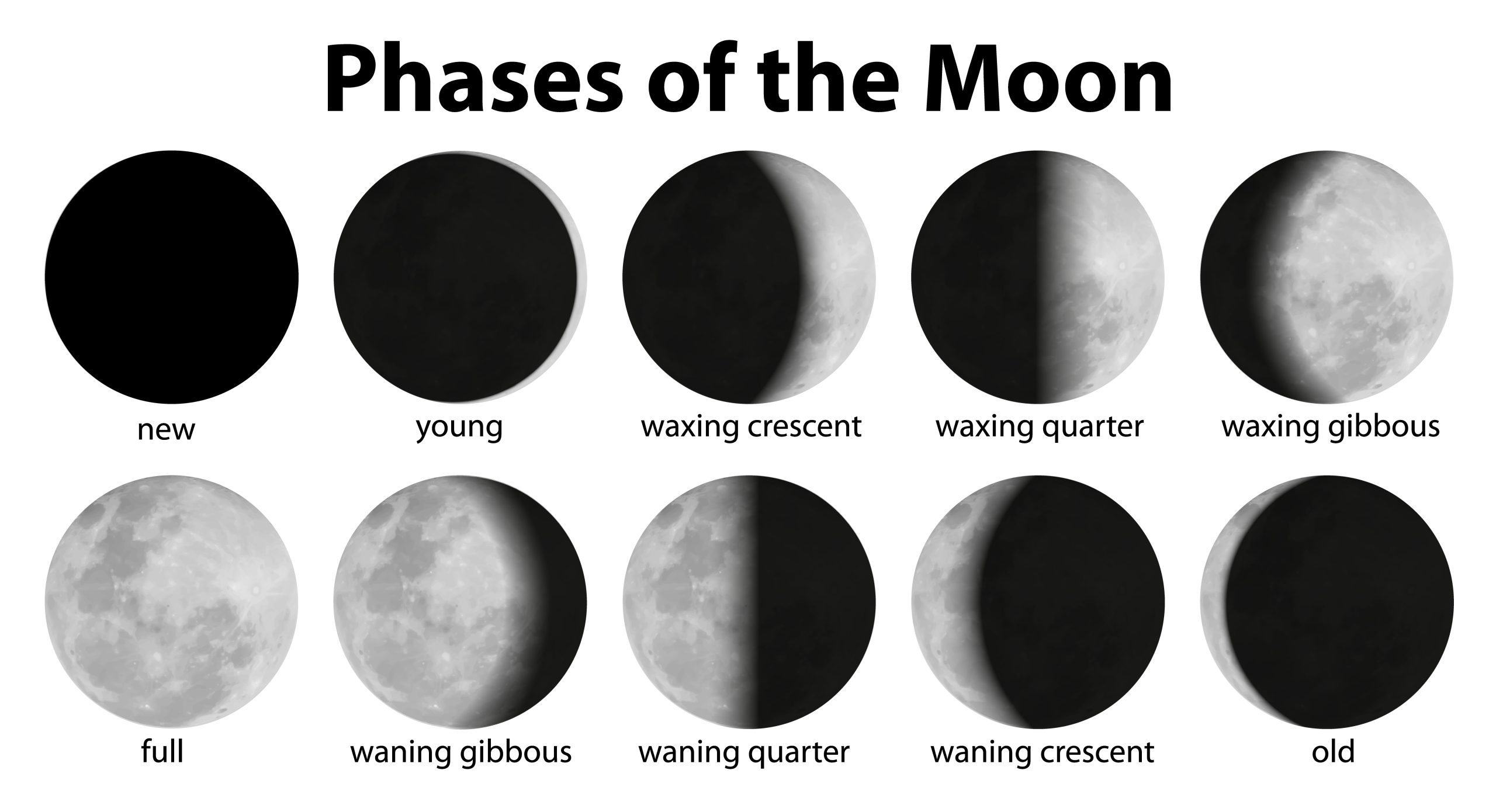
If you have ever heard someone mention feeling different during a Full Moon, you are not alone. Lunar phases have been associated with changes in mood, sleep patterns, and emotional intensity for centuries.
Astrology suggests that certain phases of the Moon correspond with particular psychological tendencies.
The New Moon: A Quiet Beginning
The New Moon occurs when the Moon aligns with the Sun and becomes nearly invisible from Earth. Symbolically, this phase represents a point of reset or inward focus.
During the New Moon, many people feel:
- More introspective
- Slightly withdrawn
- Reflective about life direction
Because the sky is darker and the lunar light is minimal, the New Moon is often associated with inner reflection and intention-setting.
It is a time when attention naturally turns inward.
The Waxing Moon: Building Momentum
After the New Moon, the Moon begins to grow in visibility. This phase is often associated with movement, effort, and gradual progress.
Emotionally, this period may bring:
- Increased motivation
- A sense of building energy
- Greater engagement with daily activities
It can feel like a natural period for action.
The Full Moon: Emotional Amplification
The Full Moon is the moment when lunar light is at its brightest and most visible.
Astrologically, this phase is often linked with heightened awareness and emotional amplification. Feelings that have been developing quietly may suddenly become clearer.
People sometimes report:
- Strong emotional reactions
- Vivid dreams
- Restless sleep
- Increased clarity about personal situations
The Full Moon does not create emotions that were not already present. Instead, it tends to illuminate what has been building beneath the surface.
The Waning Moon: Release and Integration
After the Full Moon, lunar light begins to decrease. This phase is associated with slowing down, letting go, and integrating experiences.
Emotionally, people may feel more reflective again—similar to the New Moon but with greater insight about what has recently occurred.
This natural cycle of growth, illumination, and release mirrors the way emotional experiences unfold within the mind.
Why Modern Life Makes These Cycles Harder to Notice
In earlier times, the Moon’s movement was easier to observe. Without artificial lighting and constant digital stimulation, people spent more time in natural rhythms. Today, daily schedules are rarely aligned with natural cycles. Screens, deadlines, and artificial light keep the mind active at all hours.
As a result, many people experience emotional fluctuations without recognizing their patterns. A restless night during a Full Moon might simply be dismissed as stress or insomnia. Astrology does not suggest that the Moon controls human emotions. Instead, it proposes that lunar cycles may interact with our internal rhythms, subtly influencing how we process experiences.
When people begin paying attention to these patterns, they often notice that their emotional states feel less random.
How Meditation Helps Stabilize Emotional Fluctuations
Whether or not someone follows astrology closely, emotional variability is a universal human experience. The mind moves quickly. Thoughts arise and disappear. Feelings shift throughout the day.
Meditation offers a way to develop stability within these natural fluctuations. When you sit in meditation, you begin observing your mental activity instead of reacting immediately to it. Thoughts appear, but you do not have to follow them. Emotions arise, but you do not need to become overwhelmed by them.
Over time, this simple practice strengthens a quality sometimes described as inner steadiness. Instead of being pushed around by every passing emotional state, you develop the ability to remain present. From an astrological perspective, meditation can be understood as a way of balancing lunar sensitivity. The Moon represents the reactive mind. Meditation strengthens the observing mind.
The two begin to work together.
Rather than suppressing emotion, meditation allows emotions to move naturally while maintaining clarity.
Why Lunar Awareness Can Improve Meditation
Many meditation practitioners find it helpful to align their practice with natural rhythms.
Paying attention to lunar phases can provide gentle reminders to pause and reflect.
For example:
- The New Moon encourages inward awareness and intention-setting.
- The Full Moon invites emotional observation and release.
These moments create natural opportunities for deeper reflection. You do not need to follow complicated rituals or astrological calculations. Simply noticing where the Moon is in its cycle can be enough to bring greater mindfulness into your practice.
Simple Meditation Practices for the New Moon
The New Moon is traditionally associated with beginnings. Because the lunar light is minimal, attention naturally turns inward.
Here are two simple practices that can support reflection during this phase.
1. Quiet Intention Meditation
Sit comfortably in a quiet place. Allow your breathing to settle into a natural rhythm. Instead of trying to control your thoughts, simply observe them for a few minutes. Notice the themes that arise – concerns, hopes, or recurring ideas.
After your mind has settled slightly, ask yourself a simple question:
What direction would I like to move toward in the coming weeks?
Do not search for a perfect answer. Let a gentle intention form naturally. The purpose of this practice is not to force a decision but to create space for clarity.
2. Breath Awareness
The New Moon’s quiet atmosphere makes it an ideal time for basic breath meditation. Focus your attention on the sensation of breathing. Feel the air entering and leaving the body. When thoughts arise, as they inevitably will, gently return your attention to the breath. Even ten minutes of this practice can create a sense of calm and reset.
Simple Meditation Practices for the Full Moon
The Full Moon often brings heightened emotional awareness. Instead of resisting this intensity, meditation can help transform it into insight.
1. Emotional Observation
Sit comfortably and allow yourself to become aware of your emotional state. Instead of labelling emotions as good or bad, simply observe them. Notice where they appear in the body – perhaps as tension, warmth, or movement. Imagine these feelings as waves passing through the mind. You do not need to hold onto them or push them away. With time, you may notice that emotions change naturally when given space to move.
2. Release Through Exhalation
Another helpful Full Moon practice involves the breath. As you inhale, imagine drawing in calm and clarity. As you exhale, imagine releasing mental tension or emotional heaviness.
You do not need to visualize anything elaborate. Simply allow the exhale to feel slightly longer and softer than the inhale. This gentle shift often helps the nervous system settle.
Learning to Flow With Natural Rhythms
Modern life often encourages constant productivity and emotional control. Yet human experience has always moved in cycles—periods of action, reflection, intensity, and rest.
The Moon’s phases offer a visible reminder of these natural rhythms. Astrology suggests that the mind is not separate from the larger patterns of nature. Just as the Moon waxes and wanes in the sky, the mind moves through moments of expansion and contraction.
Meditation allows us to remain steady within these changes. Instead of trying to eliminate emotional movement, meditation teaches us to observe it with patience and clarity. Over time, this practice creates a quiet confidence: the understanding that emotions can rise and fall without disrupting the deeper stillness of awareness.
The Moon will continue its cycle whether we notice it or not. But when we pause long enough to observe both the sky above and the mind within, we often discover that they move in rhythms not entirely unrelated.
And in that awareness, something begins to settle.