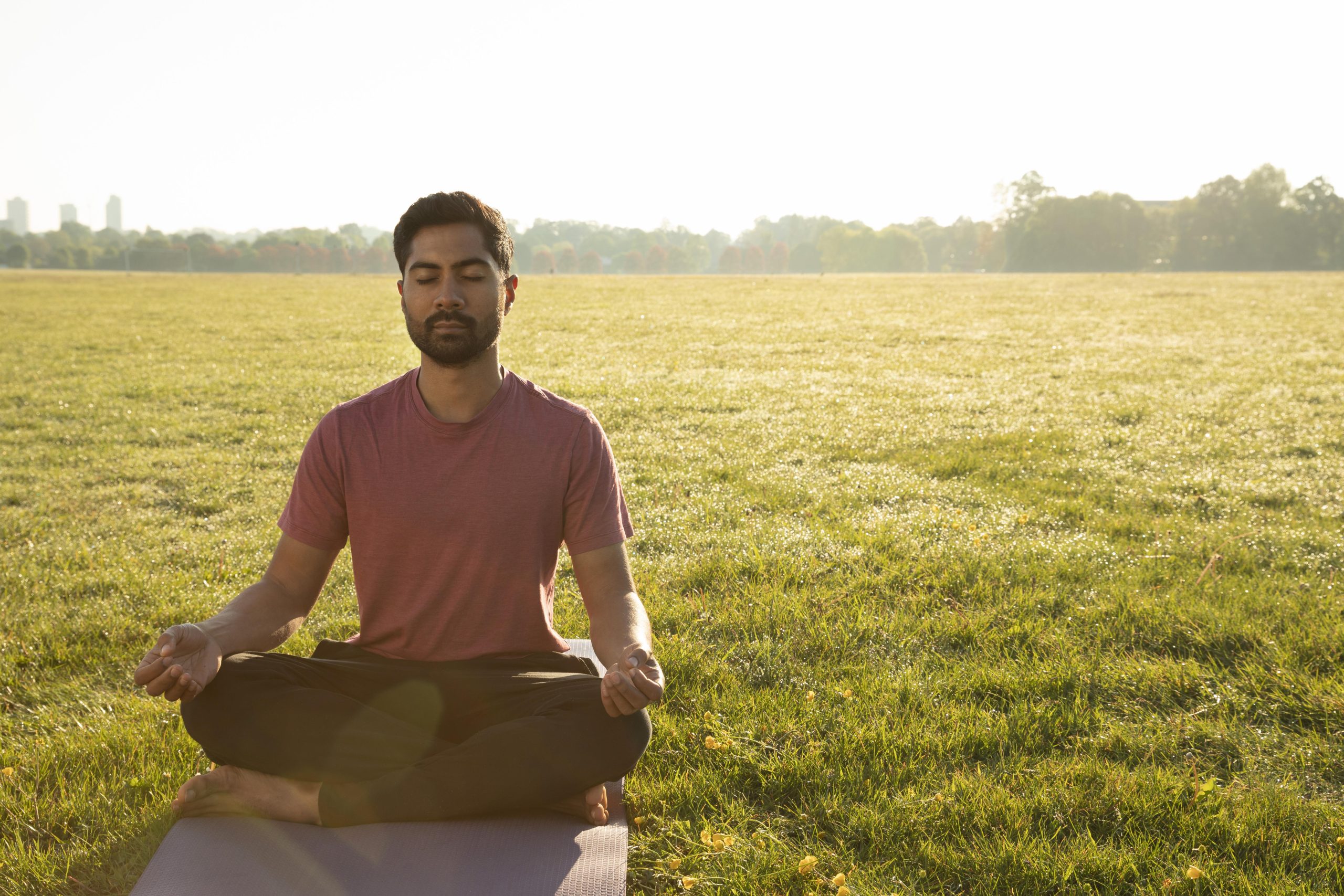
Quick answer: Sound resonance is the way sound vibrations travel through your body and encourage it to settle into a slower, steadier rhythm. Used gently, through singing bowls, humming, or soft tones, sound resonance may help ease digital fatigue by calming your breath, relaxing tight muscles, and giving your tired mind a break from screens Transcendental Meditation.
Be honest: how many hours did you spend in front of a screen today? Between emails, meetings, social media, video calls, and AI tools that answer in seconds, many of us now live inside a constant stream of input. By evening, your eyes burn, your head feels heavy, and your thoughts feel scattered. Even rest does not seem to help Transcendental Meditation.
This is digital fatigue, and it is one of the most common complaints of modern life. The good news is that you do not need to quit your job or throw away your phone. A simple, soothing practice built around sound resonance can help your body find its way back to calm Transcendental Meditation.
In this blog, we will look at what digital fatigue is, why it is growing, and how sound resonance can support your recovery in a gentle and practical way Transcendental Meditation.
Also Read About This : What Is Sound Healing? Understanding the Science of Naad
What Is Digital Fatigue?
Digital fatigue is the physical and mental tiredness that builds up after long hours of screen use and online activity. It is not an official medical diagnosis, but many people describe the same signs:
- Tired, dry, or strained eyes
- Headaches, or a tight neck and shoulders
- Trouble focusing or making simple decisions
- Feeling wired and exhausted at the same time
- Poor sleep, even when you feel worn out
- Irritability or a short temper
Think of your attention like a phone battery. Every notification, tab, and message takes a little charge. Without breaks, the battery drains faster than it refills Transcendental Meditation.
Why AI and Constant Screens Make It Worse
AI tools have made work faster, and that is a real benefit. But speed has a hidden cost. When answers arrive instantly, we ask more questions, open more tabs, and take on more tasks in the same hour. Our brains rarely get the small pauses they once had while waiting, thinking, or walking to another room Transcendental Meditation.
Here are a few reasons screen overload feels heavier today:
- Endless input: News, chats, reels, and AI replies never stop arriving.
- Constant switching: Jumping between apps tyres the brain more than staying with one task.
- Bright light at night: Late screen use can disturb your natural sleep rhythm.
- Long stillness: Sitting for hours tightens the body and makes breathing shallow.
- Little silence: Even our breaks are often spent scrolling.
When your nervous system stays on high alert for too long, it forgets how to relax. This is where sound can help Transcendental Meditation.
What Is Sound Resonance?
Sound resonance happens when a sound wave meets an object, or a body, and makes it vibrate in harmony. A guitar string that hums when a nearby note is played is a simple example. The human body is mostly water, and sound travels well through water, so you can actually feel certain tones in your chest, throat, and head Transcendental Meditation.
In healing spaces, sound resonance is used through tools and practices such as:
- Singing bowls (metal or crystal)
- Gongs and soft chimes
- Tuning forks
- Humming, chanting, or “om” sounds
- Slow, steady instrumental music
These sounds are slow, even, and repetitive. They give your mind something soft to follow instead of the sharp and jumpy signals that screens deliver all day Transcendental Meditation.
How Sound Resonance Helps With Digital Fatigue
1. It slows your breath. Long, even tones invite you to breathe out for longer. Slower breathing tells your body that it is safe to relax.
2. It quiets mental chatter. When you follow the rise and fade of a single tone, your mind has one gentle anchor. Many people notice their thoughts slowing down within a few minutes.
3. It eases physical tension. The vibrations from a bowl or from humming are felt in the chest, jaw, and shoulders. These are the places where screen stress likes to settle.
4. It supports better sleep. A short sound session in the evening becomes a signal that the day is over. Over time, your body learns to wind down faster.
5. It rests your eyes. Most sound practices are done with the eyes closed. That alone gives tired eyes a real break from light and glare.
6. It builds a mindful pause. A regular sound ritual trains you to step away from the screen on purpose, which protects your energy in the long run.
Simple Sound Resonance Practices You Can Try at Home
You do not need special training or expensive tools. Start with one of these.
Humming breath (2 minutes). Sit comfortably and take a slow breath in through your nose. As you breathe out, hum softly. Notice the buzzing feeling in your lips, face, and chest. Repeat for ten rounds Transcendental Meditation .
Singing bowl listening (5 minutes). Ring a bell once and close your eyes. Follow the sound until it fades completely, then ring it again. If a bowl is not available, a recorded bowl sound played at low volume works too.
Desk reset (1 minute). Between tasks, play a soft chime or a calm tone. Look away from the screen, drop your shoulders, and take three slow breaths.
Bedtime sound wind-down (10 to 15 minutes). Play slow instrumental sound at a low volume while you lie down. Keep your phone away from the bed so the sound does not turn into scrolling Transcendental Meditation.
Listen to your space (3 minutes). Sit quietly and notice every sound around you, such as wind, birds, a fan, or distant voices. This trains your attention to rest in the present moment.
A Simple 10-Minute Evening Reset
If you want one routine to start with, try this:
- Switch off screens, or move your phone to another room.
- Sit or lie down and place one hand on your belly.
- Hum gently for three minutes, matching each hum to a slow breath out.
- Listen to a bowl or soft tones for five minutes with your eyes closed.
- Stay in silence for two minutes and notice how your body feels.
A few minutes every day works better than one long session once a week. Keep it kind and easy, so it becomes a habit you look forward to.
What Does Research Say?
Studies on sound-based practices, such as sound meditation and singing bowl sessions, have reported lower tension, less anxiety, and better mood in some participants. However, many of these studies are small, and research is still growing. For this reason, sound resonance is best seen as a supportive wellness practice, not a cure or a replacement for medical care Transcendental Meditation.
It works best alongside simple healthy habits: regular screen breaks, enough sleep, movement, water, and time outdoors.
Tips to Get the Most From Sound Resonance
- Practice at the same time each day so your body learns the pattern.
- Choose a quiet corner and keep the volume low and comfortable.
- Combine it with the 20-20-20 habit: every 20 minutes, look at something 20 feet away for 20 seconds.
- Stretch your neck and shoulders after each session.
- Be patient. Some people feel calm right away, while others need a week or two of regular practice.
Who Should Be Careful?
Sound resonance is gentle for most people, but please speak with a doctor first if you have epilepsy, hearing sensitivity, a pacemaker or other medical implant, or if you are pregnant. This matters most with strong vibration tools such as gongs or devices placed on the body.
Also, if your tiredness, headaches, anxiety, or sleep problems continue for weeks, please see a healthcare professional. Digital fatigue can be a sign that your body needs more support than a daily routine can give.
Frequently Asked Questions
What is sound resonance in simple words?
Sound resonance is when sound vibrations make an object or your body vibrate in harmony with them. In healing, slow and steady tones are used to help the body and mind relax.
Can sound resonance really help with digital fatigue?
It may help. Slow tones can calm your breathing, relax muscle tension, and give your mind a break from constant screen input. It is a supportive practice, and results vary from person to person.
How long should a session be?
Even one to five minutes can help. A 10 to 15 minute session in the evening is a good goal for most people.
Do I need special instruments?
No. Your own voice is enough to begin. Humming, slow breathing, and soft recorded tones all work. Singing bowls and tuning forks can be added later if you enjoy them.
Is sound resonance safe for everyone?
It is safe for most people when practiced gently at a low volume. People with certain health conditions should check with a doctor first, as mentioned above.
When is the best time to practice?
Many people like the evening because it helps them wind down. A one-minute reset during the workday is also helpful.
Final Thoughts
Screens and AI are not going away, and they bring real benefits. But your mind and body still need moments of quiet to recover. Sound resonance offers a simple, natural way to create those moments. It asks for very little: a few minutes, a gentle sound, and the willingness to listen.
Tonight, try one small practice. Hum for two minutes, ring a bowl, or simply sit and listen. Your tired eyes, busy mind, and restless body will likely thank you